



GCC Joint Cooperation focuses on citizen development, youth empowerment, and women’s role in sustainable growth
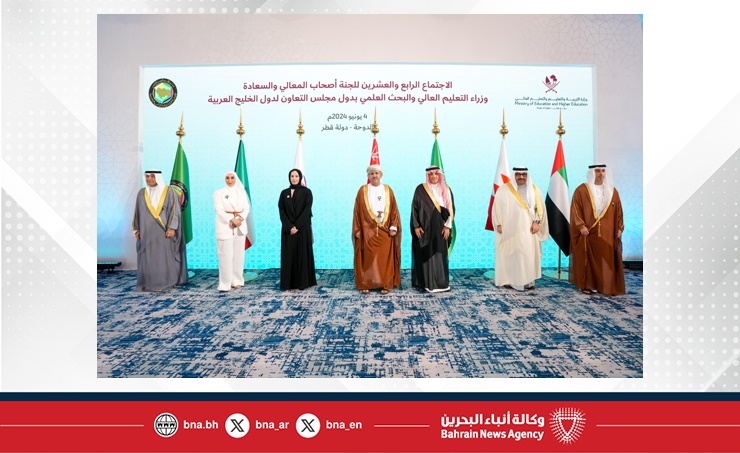
Manama, Dec. 2 (BNA): Investing in the development and skills of Gulf citizens has been a cornerstone of GCC joint cooperation and one of the Council’s key achievements. The leaders of GCC member states have consistently prioritised education, training, and capacity-building for citizens, recognising them as the primary drivers of national development, progress, and sustainable achievement.
Digital and Integrated Educational Pathways
GCC cooperation in education encompasses advanced, coordinated initiatives between ministries of education, higher education, and scientific research. These initiatives reflect the leaders’ vision of fostering citizens intellectually, physically, and socially, viewing human capital as the true wealth for nation-building.
The GCC has aligned sustainable development plans with educational and research strategies in line with the fourth goal of the 2030 Sustainable Development Goals, which focuses on education and seeks to ensure inclusive, equitable, and quality education while promoting lifelong learning opportunities. Joint institutions such as the Arab Bureau of Education for the Gulf States and the Office of Gulf Network for Quality Assurance in Higher Education in GCC facilitate knowledge exchange, unified curricula, collaborative research, and digital transformation in education.
These efforts enhance higher education, link academic outcomes to labour market needs, and strengthen regional educational competitiveness. Key achievements include:
Equal treatment for GCC students across member states.
Mutual recognition of educational certificates and qualifications.
Support for the Arabian Gulf University through endowed chairs and funding for academic programmes.
Integration of modern learning technologies, AI, and innovative teaching tools.
Comprehensive training programmes for students and educators across schools, universities, and vocational pathways.
Achieving internationally recognised standards in education quality and higher education performance.
Youth Empowerment and Leadership
The GCC Secretariat prioritises youth empowerment, preparing them for active participation in economic and social development. GCC youth represent a vital demographic, driving innovation, creativity, and leadership in their communities.
Key initiatives include:
Adoption of a unified framework for youth and sports development.
Establishment of Gulf Youth Day to recognise and support youth potential.
Organisation of conferences, workshops, festivals, and training camps to enhance youth skills.
Development of legislation and initiatives encouraging innovators, talents, and people of determination.
Participation in regional and international cultural, scientific, and media platforms.
Women as Active Partners in Development
GCC leaders have consistently promoted women’s empowerment, enabling them to occupy senior leadership positions and actively contribute to national development. Women play an increasingly central role in social innovation, digital solutions, and economic participation.
Key GCC initiatives include:
Development of joint policies and strategies for women’s empowerment (2024–2030), covering political, economic, social, and legal protection.
Coordinated regional representation in international forums to advance gender equality.
Economic and technological empowerment programs in science, innovation, and digital transformation.
Promotion of women’s health, safety, and social welfare, including maternal and child care, housing, and protection from abuse.
Cultural initiatives to enhance societal support for women’s active participation.
Conclusion
GCC joint efforts in education, youth empowerment, and women’s advancement reflect a strategic vision centered on human development. These initiatives demonstrate the Council’s commitment to creating an enabling environment for Gulf citizens, ensuring sustainable, inclusive growth, and reinforcing GCC unity and regional leadership.
