



Displaced by border war, Thai villagers turn to crafts to survive
SURIN, Dec 24 (TNA) - Heavy artillery fire fell silent along the Thai-Cambodian border in Surin province on Wednesday morning, providing a fragile reprieve after more than two weeks of deadly skirmishes, though military officials warned that tensions remains high.
Entering the 17th day of the conflict, the frontline near the Ta Meun Thom temple complex remained quiet following a day of intense exchanges. On Tuesday, Cambodian forces launched BM-21 rockets into Thai territory, prompting retaliatory artillery fire from Thai troops. The guns fell silent late Tuesday night and have not resumed as of Wednesday morning.
Thai military sources confirmed that troops maintain control over five key flashpoints. Despite the lack of active shelling, the military remains on high alert, with forces deployed along the frontline 24 hours a day to secure the area.
Economic Toll and Relief Efforts
While the battlefield has quieted, the humanitarian and economic toll on local communities continues to mount. Thousands of villagers remain in temporary shelters, many expressing deep anxiety over lost income and mounting debts.
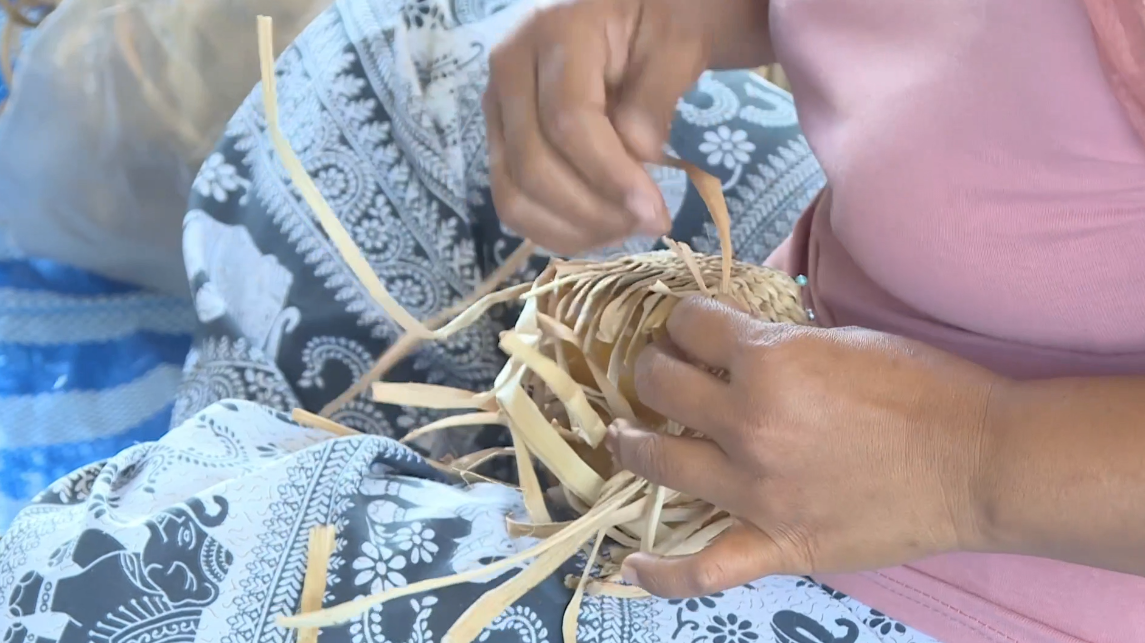
To mitigate the impact, Surin Rajabhat University has launched a vocational relief program within the shelters. Researchers and professors are working with displaced residents to produce handmade goods from recycled materials, such as floor mats and woven bags.
"Villagers are extremely worried about their car payments and their children's tuition fees," said Asst. Prof. Dr. Ubonwan Suwannaphusit of Surin Rajabhat University. "When we offered to teach them these skills and find markets for their products, the response was overwhelming. Yesterday, about 50 women joined us, bringing their children along to participate."
The university is collaborating with the Surin Chamber of Commerce to secure distribution channels at provincial festivals and local markets. The goal, organizers say, is to turn a period of crisis into an opportunity for long-term skill development.
For now, the border remains a militarized zone. The heavy presence of infantry on both sides suggests that a permanent resolution to the border dispute remains out of reach.
