



Kyrgyzstan defines Climate Education Development Strategy 2040
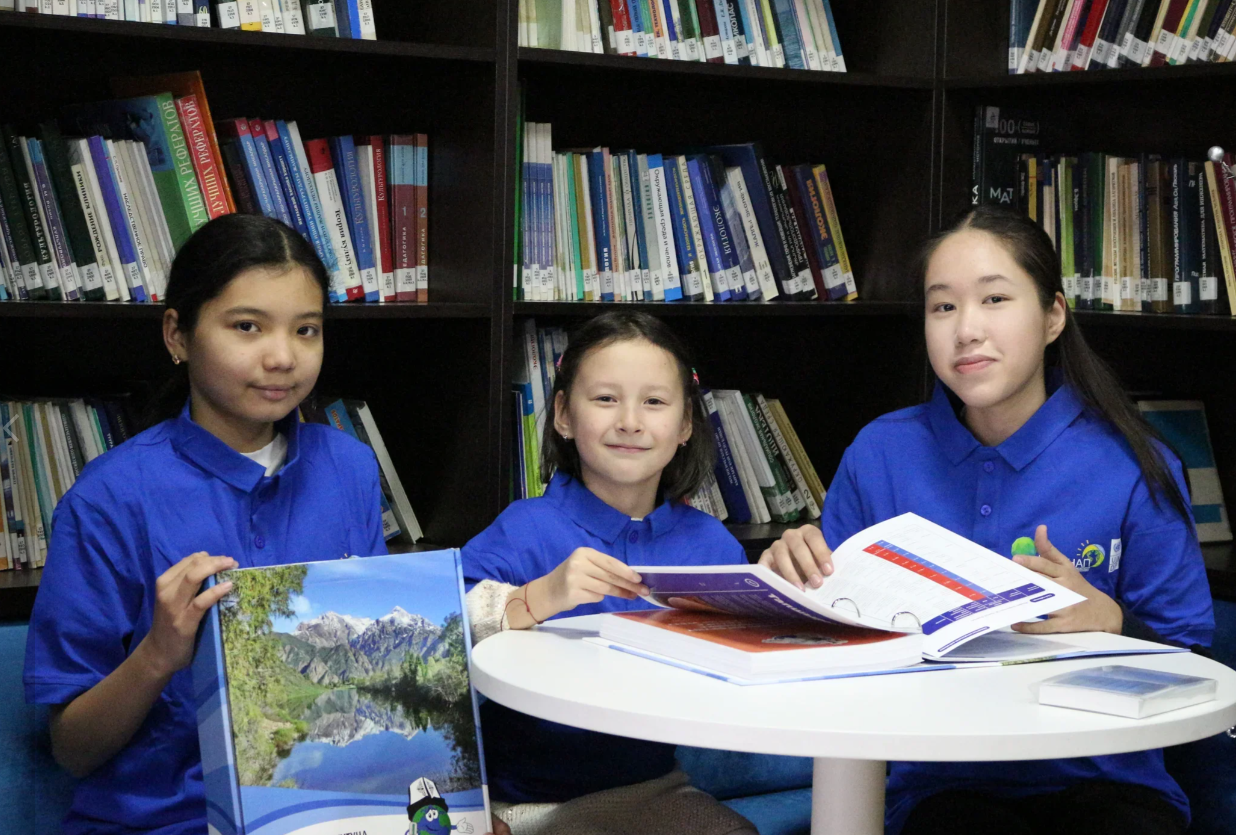
Bishkek, Dec. 11, 2025. /Kabar/. National conference dedicated to the development of climate education in Kyrgyz schools was held in Bishkek.
According to the press service of the Ministry of Education, the event brought together government officials, educators from all regions of the country, the expert community, and representatives of international organizations to discuss practical steps to improve the quality of climate education.
The conference emphasized that climate education is a key tool for developing 20th-century competencies and requires a systematic approach: updating curriculum content, developing school infrastructure, improving teacher qualifications, and expanding professional networks and partnerships.
Particular attention was paid to the need to transform the school environment—creating "green schools," implementing sustainable practices, and integrating climate topics into extracurricular educational initiatives.
Deputy Minister Albert Makhmetkulov noted that climate education is an important part of preparing the younger generation for life in a changing climate. "Integrating climate change into curricula, supporting teachers, and expanding the use of digital platforms and interactive solutions are among our priorities. Ministry will continue to strengthen the climate education system to ensure that every student receives relevant knowledge and skills for the future," he said.
During the conference, educators and experts presented practical solutions and tools for developing climate literacy in schools. In this context, the importance of the interactive educational toolkit "Climate Box"—a set of materials, illustrations, and practical activities that help integrate climate change into various disciplines and develop students' systems and design thinking skills was emphasized. Participants noted that using the toolkit makes lessons more visual and engaging, facilitates the explanation of complex climate processes, and provides teachers with ready-made methodological solutions that can be applied both in the classroom and in extracurricular activities.
UNDP has been investing in the development and implementation of innovative educational solutions for over a decade. One of these was the "Climate Box," a global UNDP initiative demonstrating how international cooperation and adaptation to local conditions improve the climate literacy of the younger generation. Launched in 2014 as a pilot program in Eastern Europe and Central Asia, the program has proven its effectiveness and is now being implemented in a second, expanded phase with digital tools, inclusive versions, and expanded international cooperation.
UNDP Resident Representative in the Kyrgyz Republic Alexandra Solovieva noted that "Climate Education" is not only about knowledge but also about developing values and skills for sustainable development. "Kyrgyzstan is taking important steps in this direction by creating a system that gives every student, regardless of their needs, access to high-quality climate education. UNDP will continue to support these efforts by strengthening teacher capacity and developing school infrastructure," she emphasized.
According to her, Kyrgyzstan is not only adopting international practices but also creating its own standards of inclusiveness and has become the first country to adapt the Climate Box materials in simple language and Braille formats, expanding access for children with special educational needs. This experience demonstrates the country's commitment to the principles of equal access to quality education and can serve as an example for other countries in the region.
Following the conference, participants adopted a resolution outlining strategic directions for the development of climate education in the country. The document calls for the further integration of climate topics into school curricula, taking into account the Education Development Program for 2021-2040, expanding the use of the Climate Box, and holding annual national meetings of educators to share experiences. The resolution also calls for strengthening methodological support for teachers, creating a digital platform for sharing best practices, and initiating initiatives to create "green schools" that will integrate sustainable development principles into the educational process and school environment.
The project "Climate Education for the Promotion of SDGs and Climate Action" is implemented with the support of the UNDP Russia Trust Fund.
