



Tourism minister underscores Iran-China civilizational cooperation in Asia
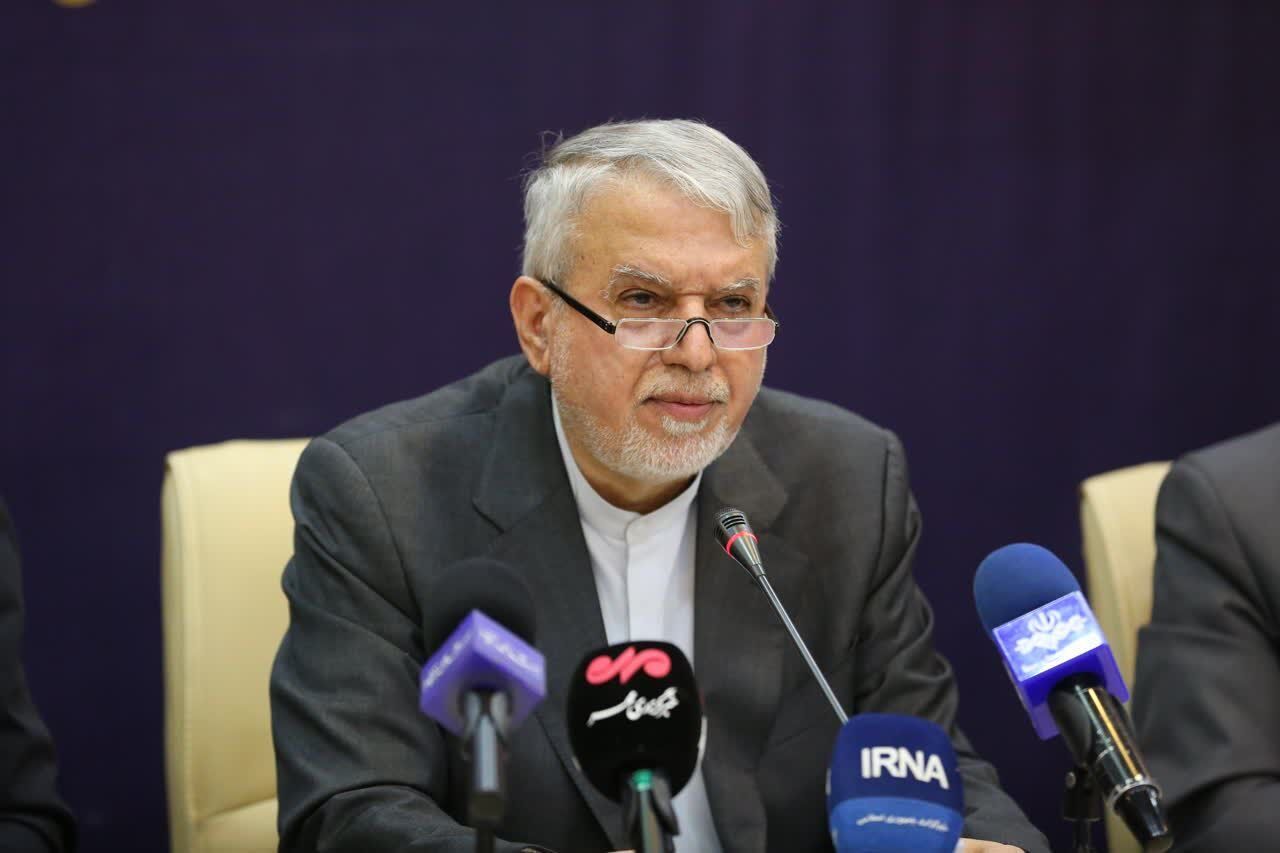
Tehran, IRNA – Iran’s Minister of Cultural Heritage, Tourism, and Handicrafts Mohammad-Reza Salehi Amiri has described Asia as the emerging powerhouse of global population, technology, and economic momentum, highlighting the role of Iran and China in the future of cultural developments in the continent.
The minister outlined a new vision for Iran–China cultural cooperation in an op-ed published by the Persian-language Iran newspaper, emphasizing that the future of global politics, economics, and culture will increasingly be shaped in Asia.
He noted that Iran’s participation in the second General Assembly of the Asia Cultural Heritage Alliance (ACHA) in Chongqing, China, marked a significant step toward renewing regional cultural and tourism partnerships.
Highlighting China’s strategic importance, he wrote that the country now sends 160 million tourists abroad each year, a number expected to reach 200 million by 2030, while Iran’s share of this market remains minimal. The goal, he stated, is to elevate cooperation with China from routine executive exchanges to long-term, structured cultural and civilizational partnerships.
The minister also presented Iran’s proposal at ACHA: an annual program to select heritage-friendly cities and villages across Asia, designed to strengthen local participation, promote cultural diplomacy, and support the preservation of vulnerable communities.
During meetings with officials from Tajikistan and the Maldives, he emphasized expanding joint research, cultural exchanges, heritage restoration, and climate-related collaborations. He noted that Iran, with 29 tangible and 26 intangible UNESCO-registered heritages, and dozens more underway, remains one of Asia’s richest cultural reservoirs.
The article concluded that Iran aims to align its cultural and tourism cooperation with China at the same strategic level as political and economic ties, framing the two nations not merely as partners, but as two civilizations capable of shaping the cultural future of Asia.
